How Giverny Became Giverny
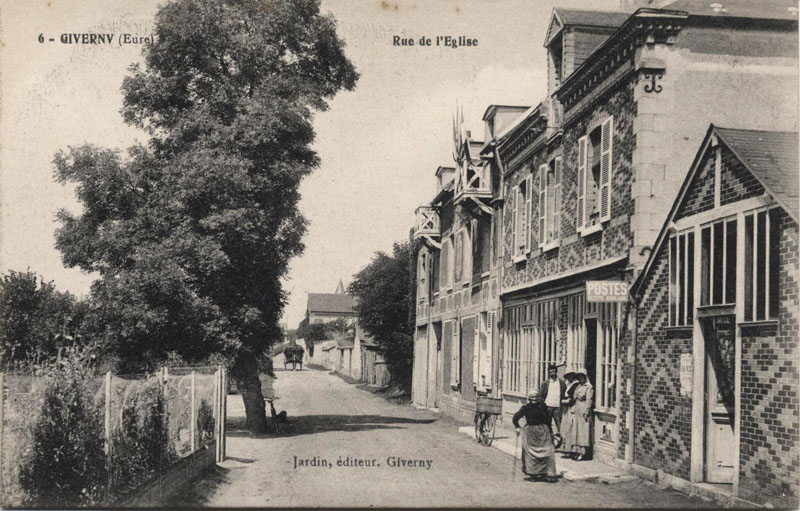
At the end of the 19th century, Giverny, a small village at the gateway to Normandy, had no idea what the future held for it.
This hamlet of about a hundred souls led a simple life, whose only rhythm seemed to be that of the seasons. Claude Monet, as he painted his works, had set up his easel in the surrounding area and eventually settled there in 1883.
Impressionism sounded the death knell for academic art, and Monet, once an outcast, became the master we know today. The consequences for the hamlet were unforeseeable: a few years later, Giverny would become the capital of Impressionism, and its history would become intertwined with that of its discoverer, Claude Monet.
He had sought peace and anonymity there, never imagining the extraordinary fame his work would bring—a work that, a century later, still enchants us.
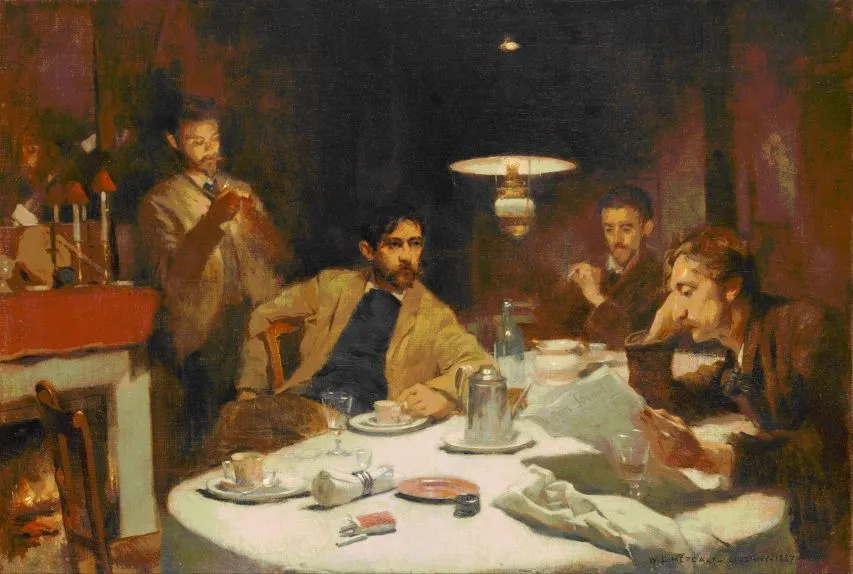
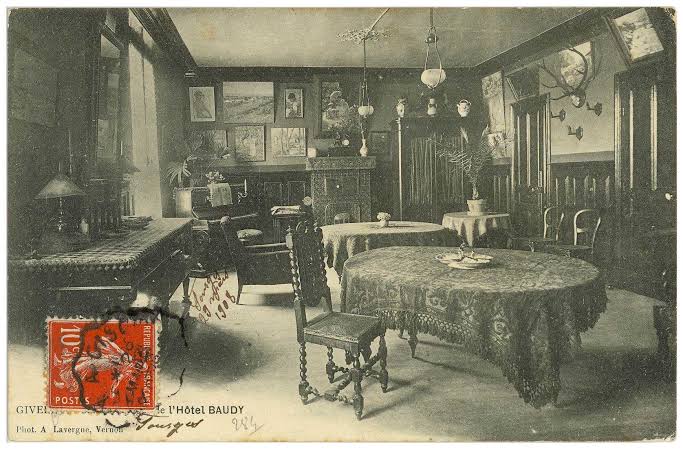
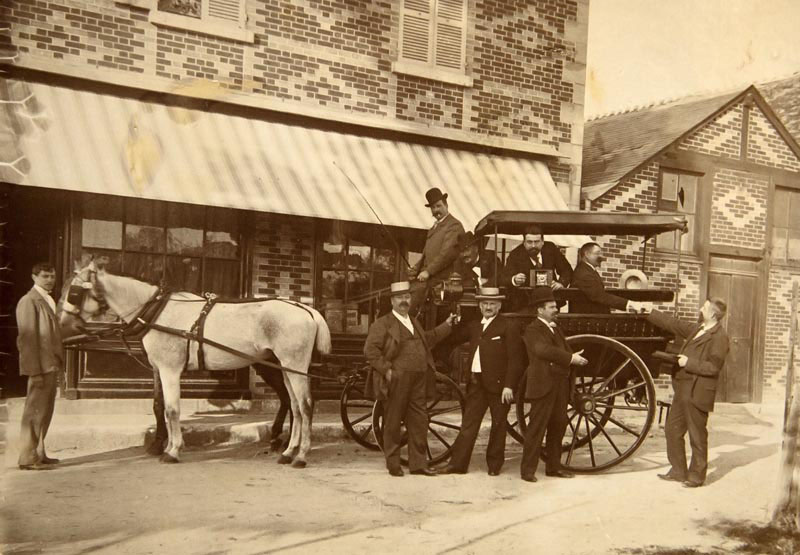
When Claude Monet moved to Giverny, the Hôtel Baudy didn’t exist yet. The simple grocery store and snack bar run by Angélina and Gaston Baudy offered visitors only meals. There were no rooms available to accommodate travelers. Besides, who would come to stay in this little village?
.jpeg)